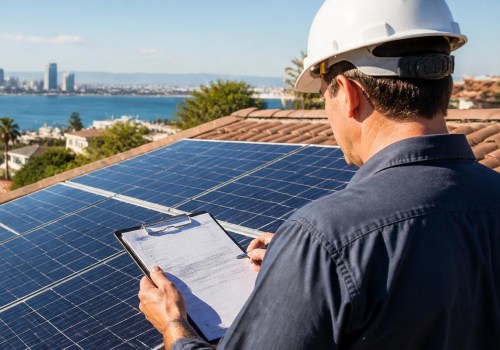
As the world increasingly shifts towards sustainable energy solutions, San Diego Solar News is at the forefront of documenting the latest developments in the solar landscape. Among the most significant areas of growth is the residential solar market, where homeowners are embracing renewable energy like never before. This trend is particularly pronounced in San Diego, a region known for its abundant sunshine and supportive policies aimed at promoting solar energy adoption. The evolution of trends in residential solar installationstrends in residential solar installations encompasses a variety of factors, including technological advancements, financial incentives, and changing consumer preferences. In this article, we will explore these trends, providing insight into how they shape the solar energy sector in San Diego and what they mean for both current and prospective solar homeowners.
Join us as we delve into the dynamics of rooftop solar installations and their significant impact on the local community. The landscape of residential solar installations in San Diego is experiencing significant transformation, driven by a combination of rising energy costs and increasing environmental awareness among homeowners and businesses. According to San Diego Solar News, there is a marked uptick in interest in solar energy solutions, as more residents recognize the long-term financial benefits of investing in solar technology. This growing demand reflects a broader trend where solar energy is becoming a viable and attractive option for many in the region, leading to an expansion in both installations and technological advancements. One of the key factors contributing to this surge in solar adoption is the availability of local incentives. In San Diego, programs such as the California Solar Initiative and various rebates from utility companies have made it more financially feasible for homeowners to install solar systems.
These incentives not only reduce the initial costs associated with installation but also enhance the overall return on investment for solar energy systems. For instance, the city offers specific programs that cater to low-income households, ensuring that access to solar energy is equitable and inclusive. An essential component of the solar landscape in San Diego is the net metering policy, which allows homeowners to sell excess energy generated by their solar panels back to the grid. This policy benefits homeowners significantly, as it enables them to offset their energy costs while contributing clean energy to the community. Under California law, net metering ensures that customers receive credit for every kilowatt-hour they send back to the grid, effectively turning their rooftops into mini power plants.
This creates a financial incentive for more residents to invest in solar technology.In addition to these policies, advancements in battery storage technology are playing a crucial role in enhancing the utility of solar energy. Homeowners now have access to various battery storage options that allow them to store excess energy produced during sunny days for use during peak demand times or outages. This not only maximizes their investment in solar panels but also provides peace of mind knowing they have a backup power source. Real-world examples illustrate how these battery systems can make a substantial difference; families with battery storage can keep essential appliances running during outages, demonstrating the practical benefits of integrating storage solutions with solar installations. While there are numerous advantages to adopting solar energy, potential challenges and misconceptions still exist.
Some homeowners may be deterred by concerns about the upfront costs or uncertainties regarding the longevity and maintenance of solar systems. However, it is important to recognize that advancements in technology have led to more efficient and durable systems, often resulting in lower long-term maintenance costs. Furthermore, many financing options are available that can alleviate initial financial burdens, making solar installations more accessible than ever. As we look at these trends shaping residential solar installations in San Diego, it becomes clear that staying informed about local incentives and policies is crucial for homeowners considering this transition. By understanding how net metering works and exploring available battery storage solutions, residents can make informed decisions that align with their financial goals and environmental values.
The growing interest in solar energy reflects not only a shift in consumer behavior but also a broader commitment to sustainable living within the San Diego community. For ongoing updates about these developments, San Diego Solar News remains a vital resource for anyone looking to navigate the evolving landscape of solar energy.
Market Growth and Future Projections
The residential solar installation market in San Diego has seen remarkable growth in recent years, driven by a combination of economic, environmental, and technological factors. According to San Diego Solar News, the number of homes adopting solar energy has surged as homeowners seek alternatives to rising energy costs and aim to reduce their carbon footprints. With California's ambitious goals for renewable energy and stringent regulations on greenhouse gas emissions, San Diego stands at the forefront of this energy transition. Market analysis indicates a consistent upward trend in solar installations, with projections suggesting that this growth will continue over the next decade.Key factors contributing to this trend include increasing awareness of solar technologies, favorable weather conditions, and advancements in solar panel efficiency. Additionally, the availability of state and federal incentives has made solar installations more accessible to a wider audience. Looking ahead, industry experts anticipate that residential solar installations in San Diego will not only maintain their current momentum but may also experience accelerated growth due to potential innovations in energy storage solutions and smart home technologies. As battery storage systems become more affordable and efficient, homeowners will be able to maximize their solar investments by storing energy for use during peak hours or outages. Furthermore, as local policies evolve to encourage renewable energy adoption, we can expect new initiatives that provide even greater incentives for residents to switch to solar. Keeping abreast of these developments is crucial, as reported by San Diego Solar News, ensuring that homeowners can take full advantage of the benefits offered in this dynamic market.
Understanding Net Metering Policies
Net metering is a billing arrangement that allows residential solar system owners to receive credits for the excess energy their systems generate and feed back into the grid.In California, this policy plays a crucial role in promoting solar energy adoption, particularly for residents in San Diego. According to San Diego Solar News, net metering is essential for homeowners looking to offset their energy costs and maximize the financial benefits of solar installations. Under California's net metering policy, when a homeowner's solar system produces more electricity than they consume, the surplus energy is sent back to the utility grid. In return, the homeowner receives credits that can be used to offset future electricity bills. This setup not only enhances the economic viability of solar investments but also encourages more homeowners to consider solar power as a viable alternative to traditional energy sources. Residents in San Diego benefit from these policies, especially given the region's abundant sunshine, which allows solar systems to generate significant amounts of electricity throughout the year.
Additionally, San Diego Solar News highlights that staying informed about changes in net metering policies is vital, as any adjustments could impact future savings and investment decisions for homeowners considering solar energy. Understanding how net metering functions within California's energy market empowers residents to make informed choices about their solar installations. By effectively utilizing net metering, homeowners can not only save on energy costs but also contribute to a more sustainable energy future for the community. highlights that staying informed about changes in net metering policies is vital, as any adjustments could impact future savings and investment decisions for homeowners considering solar energy. Understanding how net metering functions within California's energy market empowers residents to make informed choices about their solar installations. By effectively utilizing net metering, homeowners can not only save on energy costs but also contribute to a more sustainable energy future for the community.
Incentives Driving Solar Adoption
In recent years, the landscape of residential solar installations in San Diego has seen a significant shift, driven largely by a variety of financial incentives that make solar energy more accessible to homeowners. According to San Diego Solar News, these incentives play a crucial role in encouraging both homeowners and businesses to invest in solar technology, especially as energy costs continue to rise and environmental concerns grow. One of the most notable incentives available is the federal solar tax credit, also known as the Investment Tax Credit (ITC), which allows homeowners to deduct a percentage of their solar installation costs from their federal taxes. As of 2023, this credit is set at 30%, providing substantial savings for those who choose to adopt solar energy. In addition to federal incentives, California residents can benefit from state-specific programs that further enhance the affordability of solar installations.Programs like the California Solar Initiative (CSI) offer cash rebates for solar photovoltaic (PV) systems, which can significantly reduce upfront costs. Furthermore, net metering policies allow homeowners to receive credits on their electricity bills for excess energy generated by their solar systems, making it an economically sound investment. Local utility companies also provide incentives for solar adoption in San Diego. These may include performance-based incentives or additional rebates that further lower the cost of installation. Staying informed about these evolving incentives is essential for potential solar adopters, as changes in policies can directly impact their decision-making process. As highlighted by San Diego Solar News, understanding these financial incentives is vital for homeowners looking to maximize their return on investment in solar technology.
With energy prices expected to rise and new policies being introduced regularly, the time has never been better for San Diego residents to consider making the switch to solar energy.
Battery Storage: The Future of Solar Energy
As homeowners in San Diego increasingly turn to solar energy to combat rising energy costs and contribute to environmental sustainability, battery storage systems have emerged as a critical component in maximizing the benefits of solar installations. According to San Diego Solar News, the integration of battery storage allows homeowners to store excess energy generated during peak sunlight hours for use during the evening or on cloudy days. This not only enhances energy independence but also optimizes the overall efficiency of solar systems. One of the primary benefits of battery storage is the ability to reduce reliance on the grid. With a battery system, homeowners can draw from stored energy during high-demand periods when electricity rates tend to spike.This capability not only leads to significant cost savings but also contributes to a more stable and resilient energy supply. Furthermore, battery systems can provide backup power during outages, ensuring that essential appliances and systems remain operational when grid power is unavailable. Additionally, many homeowners are now exploring battery storage as a way to take advantage of net metering policies. By storing excess solar energy produced during the day, they can utilize this energy later, minimizing the amount of electricity they need to purchase from the utility company. This strategic use of stored energy can enhance the financial viability of solar investments, making it an attractive option for those looking to maximize their return. In conclusion, as the landscape of residential solar installations evolves, staying informed about advancements in technology, including battery storage, is crucial for homeowners.
Resources like San Diego Solar News continue to provide valuable insights into these trends, helping residents make informed decisions about their solar investments and navigate the changing market dynamics. In conclusion, we have explored several key aspects of the trends in residential solar installations in San Diego, emphasizing the significance of understanding the incentives driving solar adoption, the nuances of net metering policies, and the potential impact of battery storage on the future of solar energy. As homeowners and businesses increasingly turn to solar solutions amidst rising energy costs and environmental concerns, staying informed about these developments is crucial. We encourage our readers to regularly check San Diego Solar News for the latest updates and resources related to solar energy in the region. Knowledge is power, and being aware of the current landscape will enable better decision-making when it comes to solar installations.